

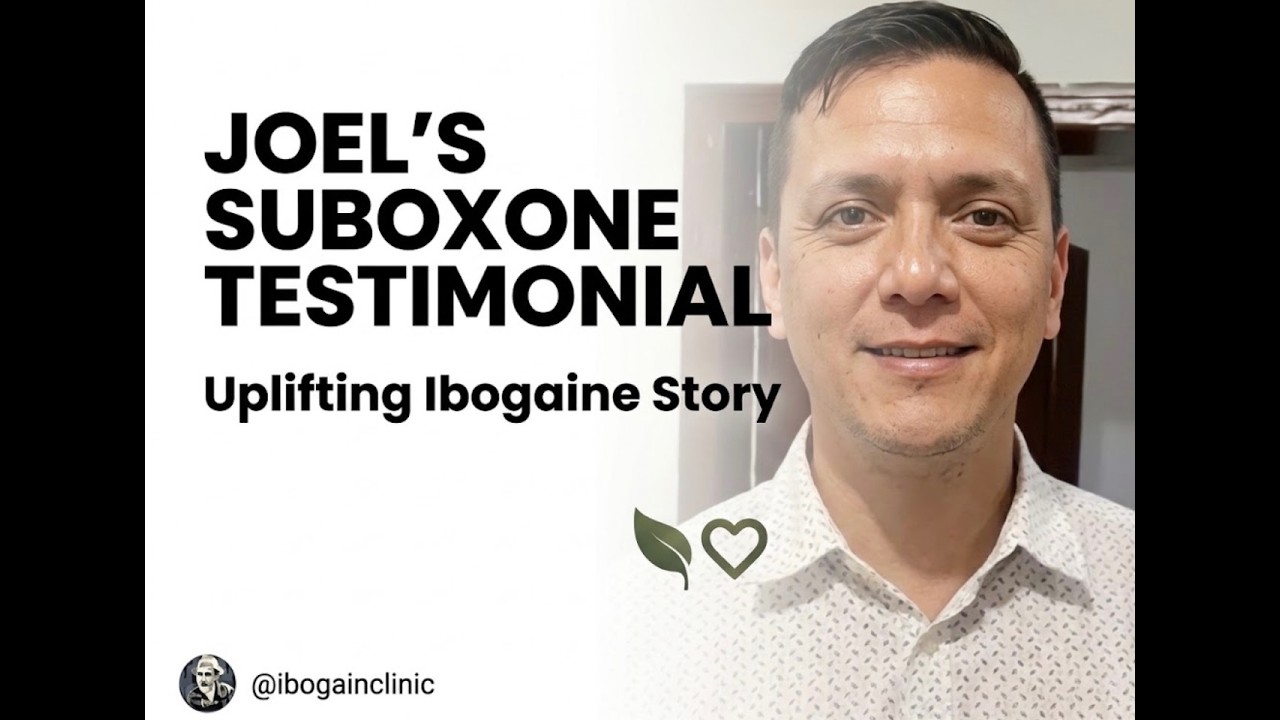
Before: Two Decades on Opioids and the Paralyzing Fear of the Unknown
For two continuous decades, daily existence was anchored to opioids. What started as an effort to manage pain through prescription medication evolved into a decade-long cycle, followed immediately by another ten years bound to maintenance therapy:
“If anybody ever has any doubts that this works for a 10 years Suboxone user… 10 years and before that 10 years of pain pills. So 20 years of my life wasted.”
Getting off Suboxone through conventional willpower had proven brutal. In an earlier attempt to stop without medical intervention, the long-acting half-life of buprenorphine resulted in a month-long physical nightmare:
“When I quit Suboxone on my own, the first time I went 29 days [sick]… I quit before, went 90 days, went back because my mind still wasn’t right.”
Desperate to avoid repeating that protracted agony, alternative options led to ibogaine treatment. However, the decision was clouded by severe skepticism and anxiety. Wiring funds and flying to another country felt like an enormous gamble, triggering constant fear that the entire opportunity was an illusion:
“Before I came here, my biggest problem was that I felt like the whole thing was not real. Like I would show up at the airport and nobody would be there. So, you know, we had already wired the money cuz that’s part of the process. And we were just very scared that we would show up and nobody would be there. So, we waited for 25 minutes thinking we don’t have a place to stay.”
During: Crossing the Threshold and Bypassing the Withdrawal Wall
Once transport arrived and brought him safely to the facility, the clinical team began settling his system. The deep-seated inner voice insisting that freedom from a ten-year buprenorphine habit was impossible finally began to lose its grip:
“I think there’s this deep piece of something inside of us that says it can’t be real. It’s too good to be true. That’s the part of it that attacks your anxiety. But then when you leave here, you don’t have that.”
Over the course of a 10-day medically monitored protocol, the treatment targeted the receptor blockades built up over two decades. Rather than repeating the grueling four-week withdrawal ordeal he had endured in the past, the neurochemical reset interrupted acute sickness at the neurological level:
“We were here for 10 days and no withdrawals at all… and with this treatment, [barely] missed any sleep.”
The treatment addressed more than just receptor sites; it dismantled the mental static and automatic behavioral routines that had pulled him back into relapse during previous recovery attempts.
After: A Reprogrammed Mind and Channelling Passion into Recovery
Emerging from the 10-day stay, the physical dependency that had consumed half a lifetime was broken. The residual guilt, psychological fog, and underlying depression had lifted:
“You don’t have the guilt or depression, anything… With the ibogaine, it changed my mind, changed the program.”
For anyone hesitant to pursue treatment due to doubts about legitimacy or the fear that an effective alternative detox sounds unrealistic, his reflection cuts through the skepticism:
“If anybody thinks that this is too good to be true or it doesn’t work, you can hear my accent. I’m from Georgia. I’m not from down here in Playa del Carmen. I’m from Georgia. I’m from the south. So it’s the real deal.”
Stepping forward into a drug-free life, his plan centers on taking the relentless energy once spent managing a daily habit and redirecting it into personal growth:
“This is what I plan to do when I go back is that you have to—if you remember in your head like how hard you used to search for the drugs, then you have to use that same passion to expand your thoughts, to expand your understanding of addiction.”


